上海歐贊自動化設備有限公司


PCB板打磨機高效處理的關鍵設備類型及技術特點的詳細分析:PCB (printed circuit board) polishing machine, vacuum plug hole machine, ceramic grinding machine, r 二維碼
30
發表時間:2025-08-23 10:31作者:上海歐贊自動化設備有限公司來源:上海歐贊自動化科技設備有限公司 PCB(印刷電路板)板打磨機是電子制造和維修領域中用于處理PCB表面、邊緣或孔壁的關鍵設備,其核心功能是通過機械或化學方式去除氧化層、毛刺、殘留物,或調整表面粗糙度,以提升焊接質量、導電性能及產品可靠性。以下是其高效處理的關鍵設備類型及技術特點的詳細分析:
一、關鍵設備類型
二、技術特點
三、應用場景
四、發展趨勢
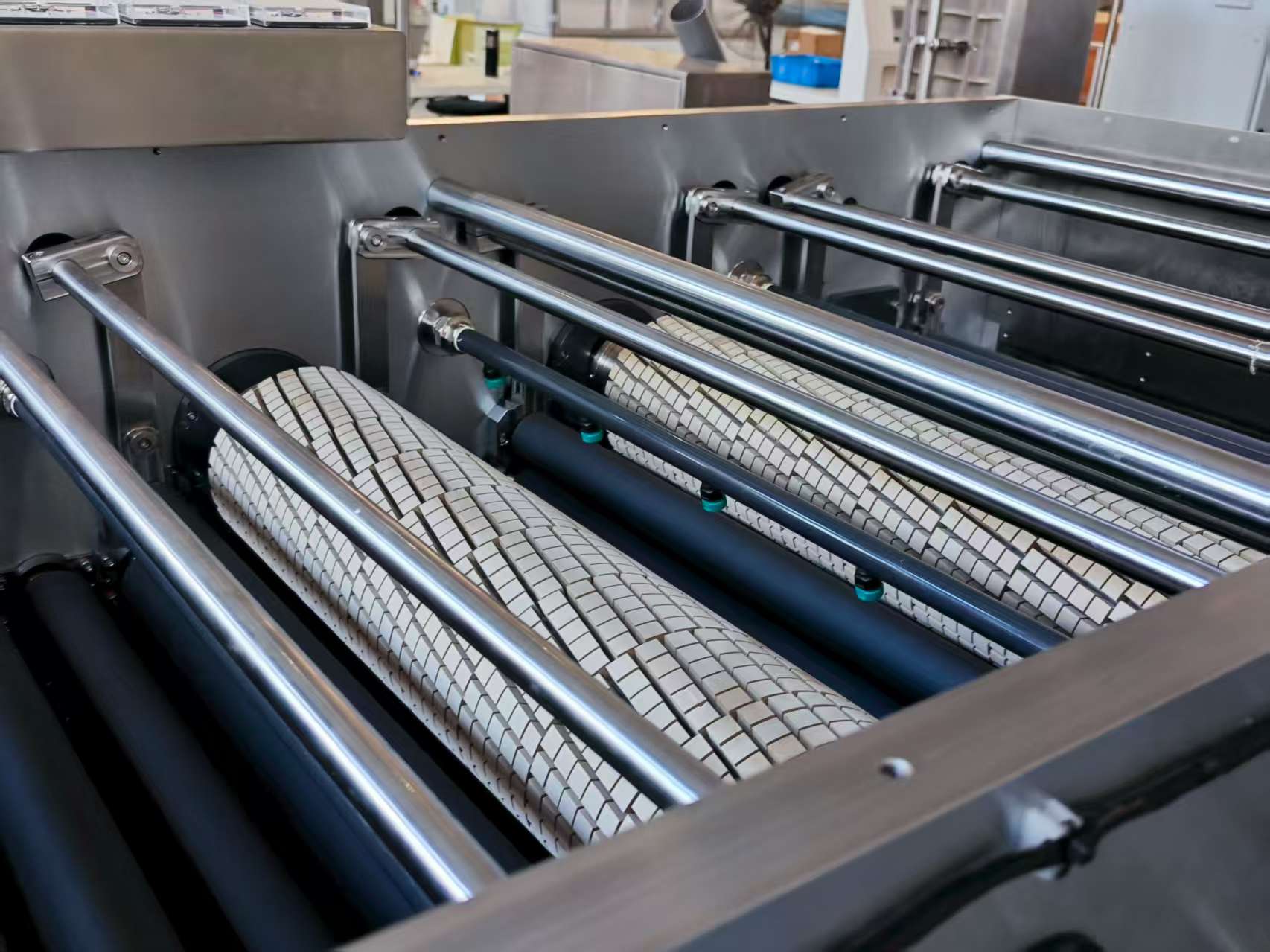
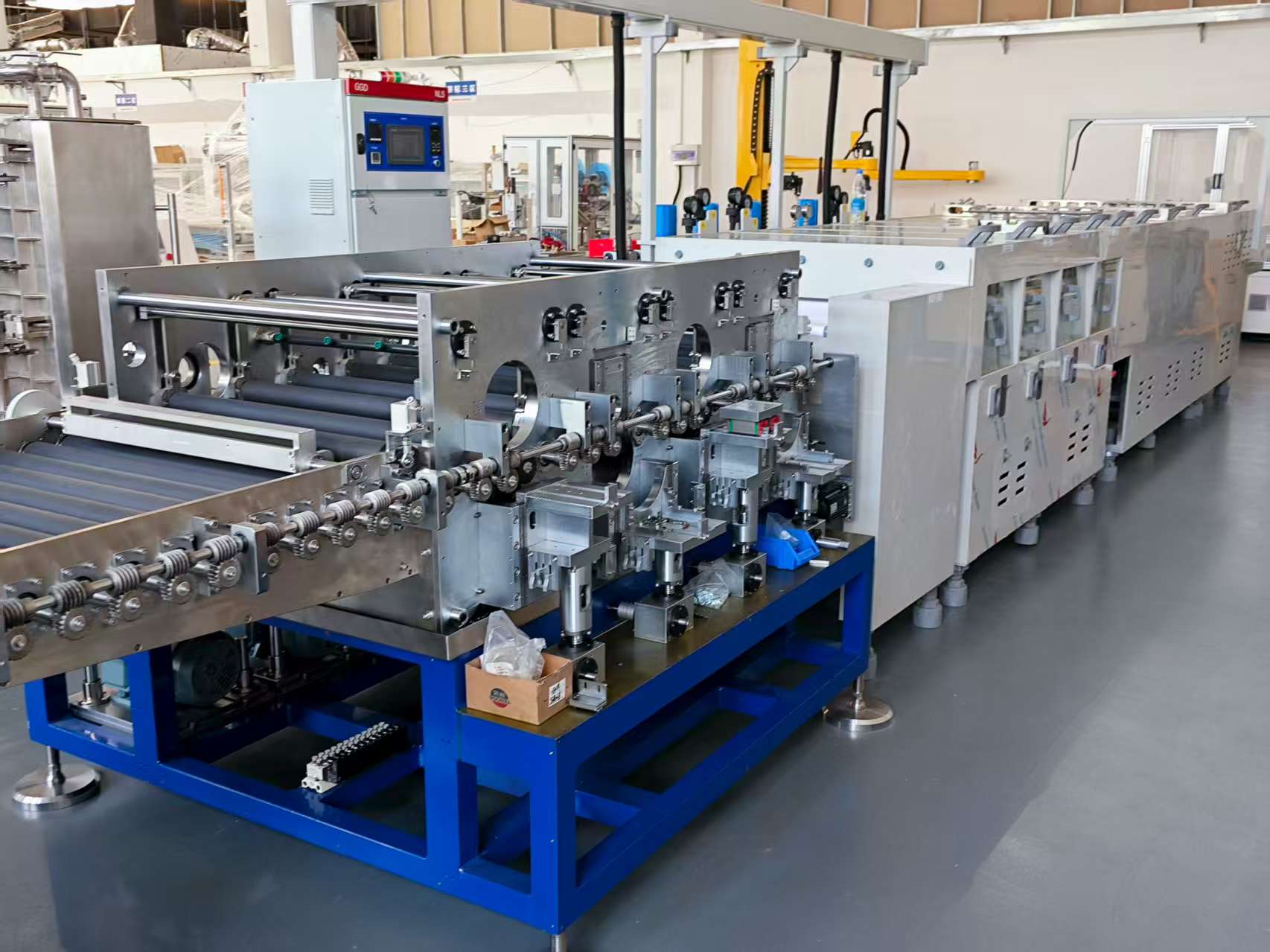
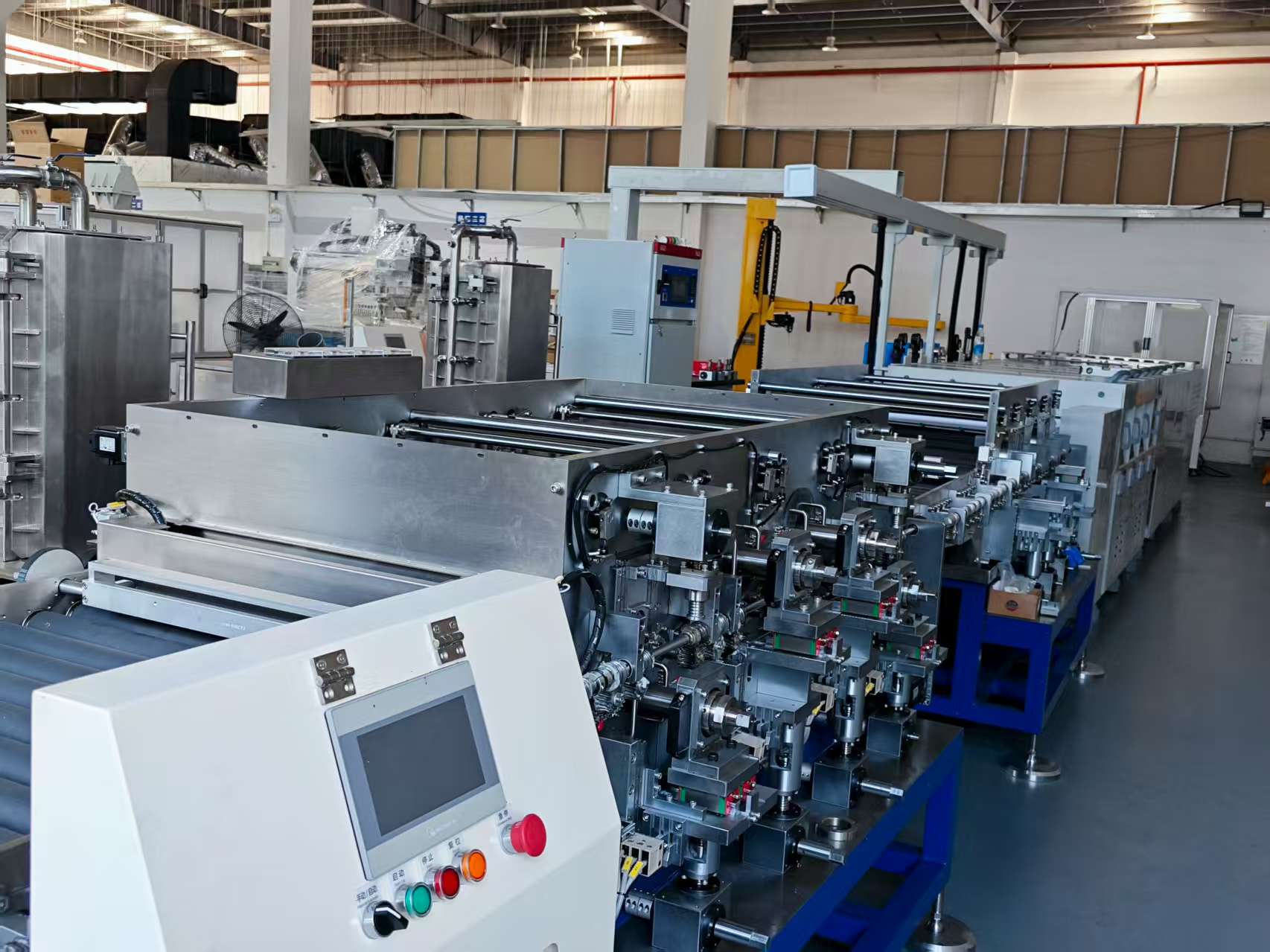
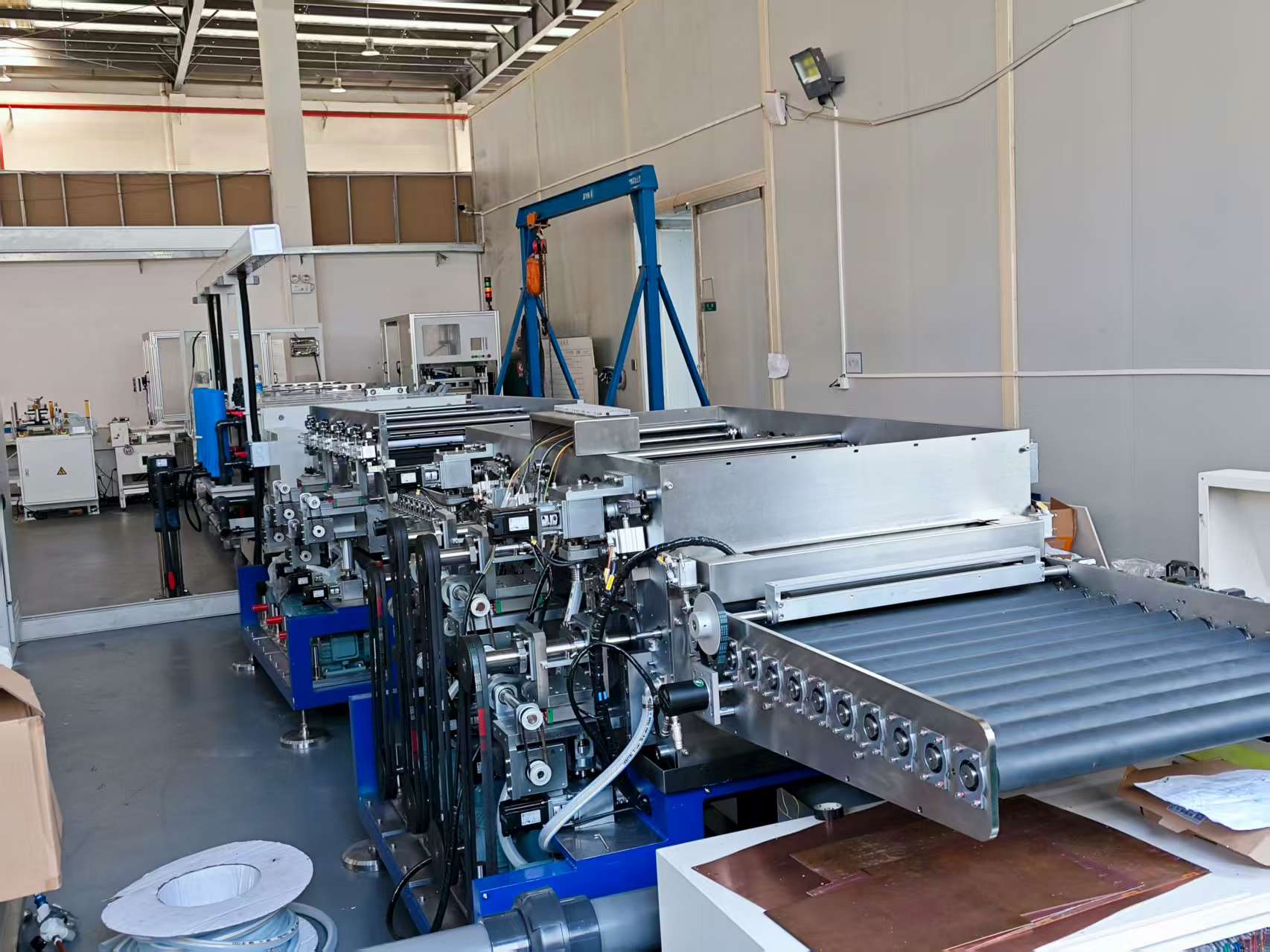
PCB板打磨機通過高精度控制、多工藝集成和智能化設計,成為電子制造中不可或缺的高效處理設備,其技術演進將持續推動PCB行業向更高質量、更環保的方向發展。 PCB (printed circuit board) polishing machine is a key equipment used in the field of electronic manufacturing and maintenance to process the surface, edges, or hole walls of PCBs. Its core function is to remove oxide layers, burrs, residues, or adjust surface roughness through mechanical or chemical means to improve welding quality, conductivity, and product reliability. The following is a detailed analysis of the key equipment types and technical characteristics for its efficient processing: twenty million two hundred and fifty thousand eight hundred and fourteen twenty million two hundred and fifty thousand eight hundred and fourteen twenty million two hundred and fifty thousand eight hundred and fourteen twenty million two hundred and fifty thousand eight hundred and fourteen 1、 Key equipment types Mechanical polishing machine Sand belt/grinding wheel grinder: It uses a high-speed rotating sand belt or grinding wheel to physically rub the surface of PCB, suitable for removing copper foil oxide layer, resin residue or edge burrs. Brush grinder: uses a rotating brush wheel (such as nylon brush, wire brush) for fine polishing, commonly used for deburring hole walls or surface cleaning to avoid damaging circuits. Numerical Control Grinding Machine: Integrated with an automated control system, it can preset grinding paths, pressures, and speeds, suitable for high-precision and batch PCB processing. Chemical polishing machine Dissolve the metal layer on the surface of PCB through chemical solutions (such as acidic or alkaline etching solutions) to achieve uniform polishing, suitable for scenarios with extremely high surface flatness requirements (such as high-frequency boards and flexible boards). Laser polishing machine Utilizing high-energy laser beams to vaporize PCB surface materials for contactless precision polishing, suitable for micro hole processing, high-density interconnect (HDI) boards, or special materials such as ceramic substrates. Plasma polishing machine By bombarding the surface of PCB with plasma, organic pollutants and oxide layers are removed, and the surface is activated to improve the adhesion of subsequent soldering or coating. It is commonly used for pre-treatment of high-end electronic products. 2、 Technical features high-precision control Pressure regulation: The mechanical polishing machine is equipped with a pressure sensor, which can adjust the contact force between the polishing head and the PCB in real time to prevent excessive polishing from causing damage to the circuit. Speed matching: Automatically adjust the polishing speed based on the PCB material (such as FR-4, ceramic, metal substrate) and thickness to ensure consistent processing results. Positioning system: CNC equipment adopts visual positioning or laser positioning technology to accurately identify PCB edges, hole positions or specific areas, and achieve local polishing. Multi process integration Composite polishing head: Some equipment integrates sand belts, brush wheels, and polishing pads, which can complete rough grinding, fine grinding, and polishing in one go, shortening the process flow. Chemical mechanical composite treatment: combining chemical polishing and mechanical polishing, first softening the surface through solution, and then removing residues through physical friction to improve efficiency and quality. Automation and Intelligence Automated loading and unloading of PCBs: equipped with robotic arms or conveyor belts to achieve automatic loading, polishing, and unloading of PCBs, reducing manual intervention. Online detection: Integrated AOI (Automatic Optical Inspection) or X-ray detection system, real-time monitoring of polishing quality, timely feedback and adjustment of parameters. Data traceability: Record the processing parameters (such as pressure, speed, time) of each PCB for quality traceability and process optimization. Environmental Protection and Safety Design Dust collection system: Metal dust generated by mechanical polishing is collected through a negative pressure suction device to avoid polluting the environment and endangering the health of operators. Waste liquid treatment: The chemical polishing machine is equipped with a waste liquid circulation system, which is discharged after neutralization treatment and meets environmental protection requirements. Safety protection: The laser polishing machine adopts a closed optical path design to prevent laser leakage; Plasma equipment is equipped with grounding protection to prevent static electricity accumulation. Adaptability and Flexibility Modular design: Components such as polishing heads and fixtures can be quickly replaced to adapt to PCBs of different sizes and shapes (such as irregular boards and flexible boards). Multi axis linkage: CNC equipment supports X/Y/Z three-axis or five axis linkage, which can handle complex surfaces or 3D structured PCBs. 3、 Application scenarios Electronic manufacturing: Surface pretreatment, deburring of hole walls, and trimming of solder mask layers before mass production of PCBs. Repair and rework: Surface treatment after repairing welding defects, removing excess solder, or replacing components. High end electronics: The demand for PCB high reliability and high-precision processing in fields such as 5G communication, aerospace, and automotive electronics. 4、 Development Trends Ultra precision machining: With the development of PCB line width/spacing towards micrometer level, polishing machines need to achieve nanometer level surface roughness control. Green manufacturing: Promote dry polishing technology (such as laser and plasma), reduce the use of chemical reagents and wastewater discharge. AI empowerment: By optimizing polishing parameters through machine learning, adaptive machining can be achieved to improve yield and efficiency. The PCB board polishing machine has become an indispensable and efficient processing equipment in electronic manufacturing through high-precision control, multi process integration, and intelligent design. Its technological evolution will continue to drive the PCB industry towards higher quality and more environmentally friendly directions. Medical Device Assembly Line Equipment | Automated Assembly | Robot Assembly Automation | Automated Non standard Assembly | Medical Device Automation Assembly | Valve Assembly Automation Production Line | Military Product Assembly Automation | Automated Intelligent Assembly Production Line | Fully Automated Assembly Production Line, Precision Assembly Automation Line | Intelligent Assembly Line Automation | Automation Line Precision Assembly | PCB Vacuum Machine | Vacuum Plug Hole Machine | Printed Circuit Board PCB Ceramic Substrate Grinding Machine | PCB Ceramic Substrate Grinding Machine | PCB Plug Hole Resin Grinding 醫療器械裝配線設備 |自動化裝配 |機器人裝配自動化 |自動化非標裝配 |醫療器械自動化組裝 |閥門裝配自動化生產線 |軍工產品裝配自動化 |自動化智能裝配生產線 |全自動裝配生產線,精密裝配自動化線 |智能裝配線自動化 |自動化線精密裝配 |PCB真空機|真空塞孔機|印刷線路板PCB陶瓷基板研磨機 |PCB陶瓷基板研磨機|PCB塞孔樹脂研磨 |